PEPSICO | CULTURAL PARTNERSHIPS & COMMERCE
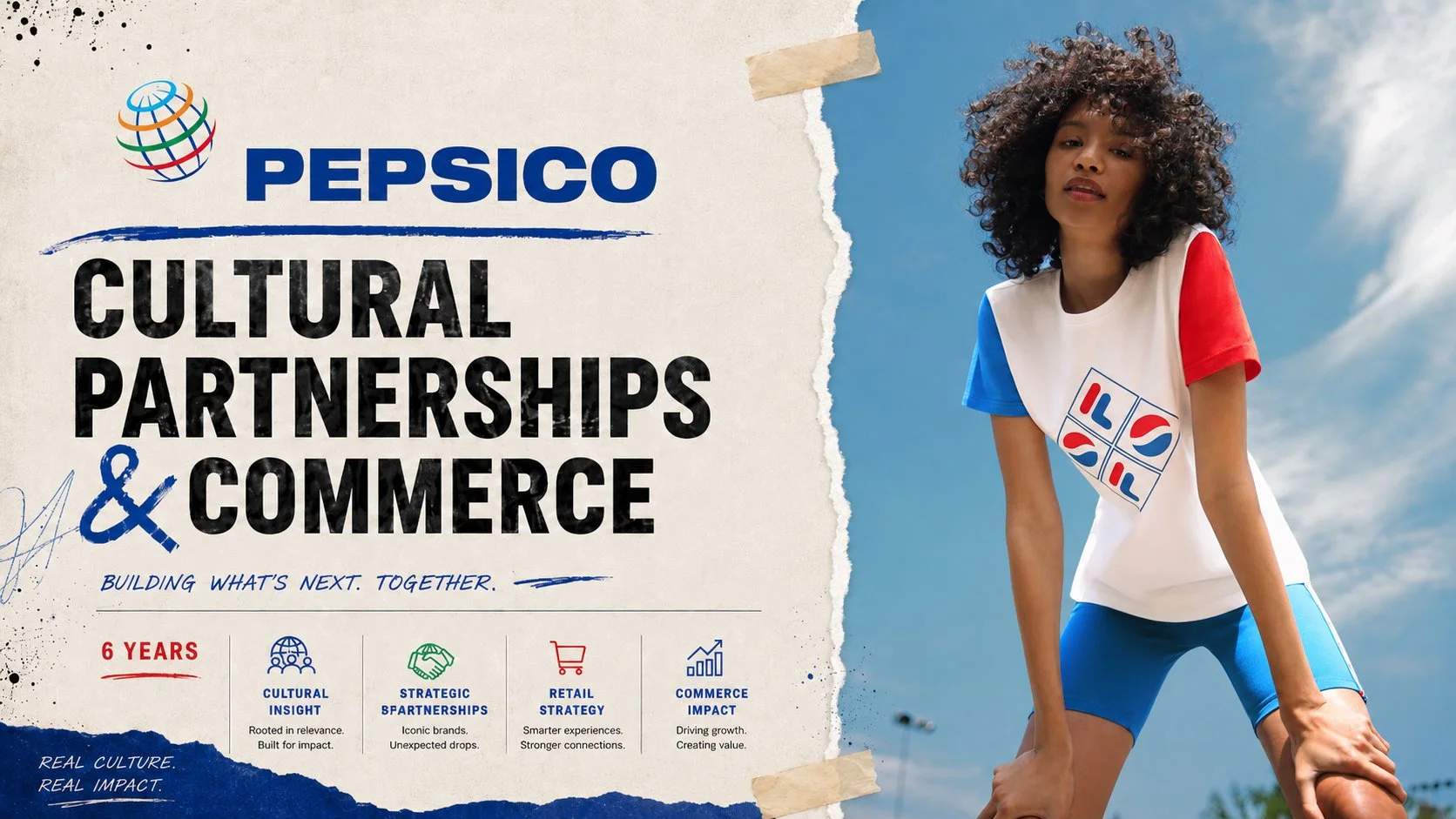
project overview
Client: PepsiCo / Mountain Dew / Pepsi
Role: Brand Partnership Strategy, Cultural Collaboration & Commerce
Timeline: 2012–2017
Project Type: Partnerships, Licensing, Product & Retail
PepsiCo didn’t need more sponsorships. It needed better reasons to participate.
Over six years, I worked with PepsiCo to move Mountain Dew and Pepsi beyond traditional beverage marketing and into products, retail and communities where the brands could contribute something tangible.
The approach was rarely about putting two logos together.
It was about finding the right partner, understanding what each side brought to the idea, building a product worth existing on its own, and putting it into the market through channels that made sense.
Across action sports, skateboarding, photography, sneakers and fashion, the category changed.
The job stayed pretty much the same: find the overlap, build something real, put it in the right room.
DANNER x DANNY DAVIS


Heritage meets action sports.
Mountain Dew wanted a meaningful product presence in snowboarding. Danner brought more than a century of American manufacturing heritage. Danny Davis brought the audience and point of view.
I brought the pieces together around the Danner x Danny Davis Mountain Pass boot, then built the launch through Burton flagships, Danner’s retail network and Winter Dew Tour.
The result gave Mountain Dew a place in premium footwear without asking the product to become an advertisement.
GIRL x KEVIN LYONS x SEAN MALTO


Don’t manufacture credibility. Work with the people who already have it.
Skate culture has a particularly good radar for brands trying too hard to belong.
Instead of forcing Mountain Dew into the conversation, I built the collaboration around GIRL Skateboards, artist Kevin Lyons and Sean Malto, with each partner contributing something the others couldn’t.
The project launched through The Berrics, core skate retail and a Brooklyn gallery event around Dew Tour, and ultimately extended into a global Mountain Dew commercial.
The brand didn’t need to own the culture. It needed to add something worthwhile to it.
ATIBA JEFFERSON


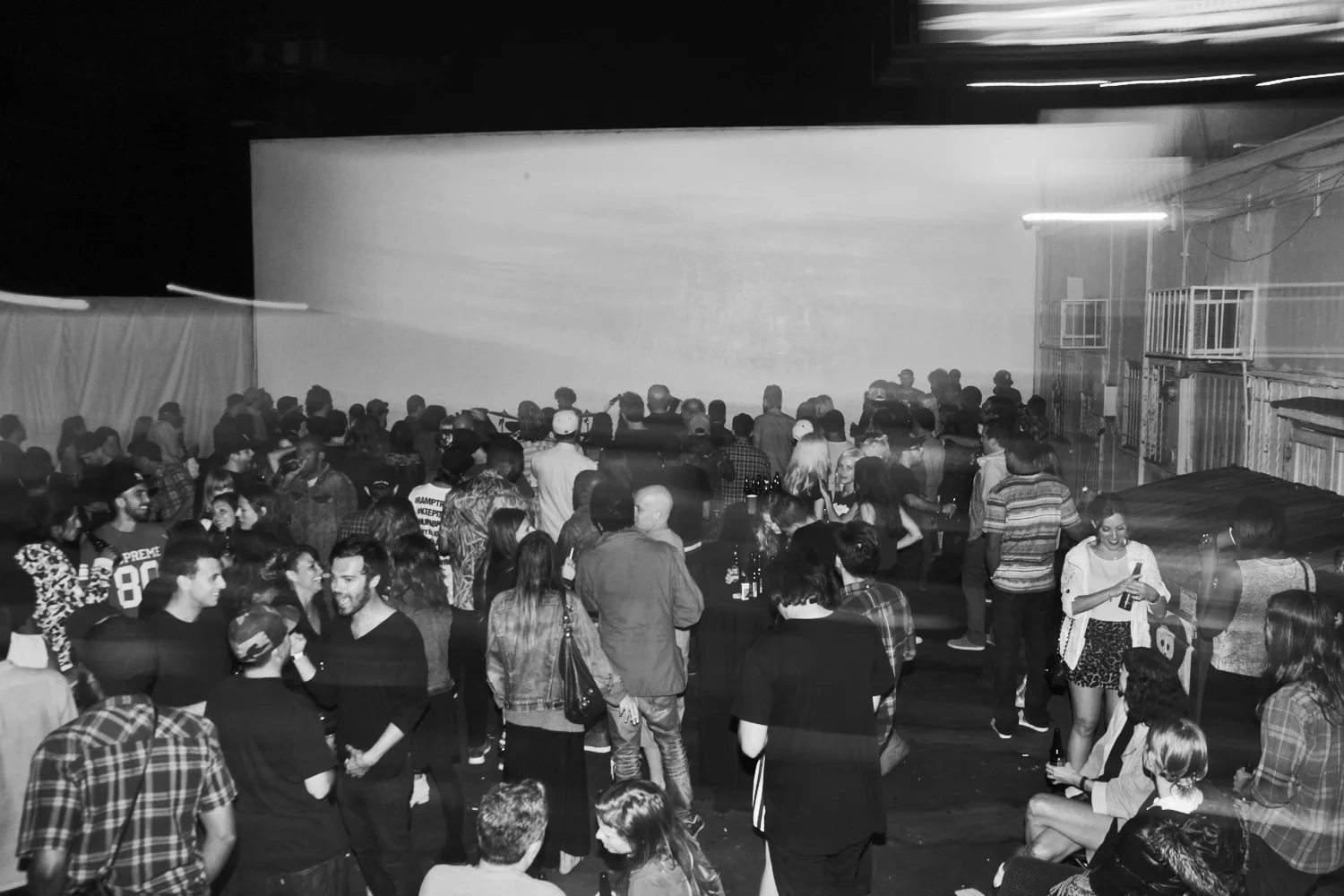
Turn the archive into the business.
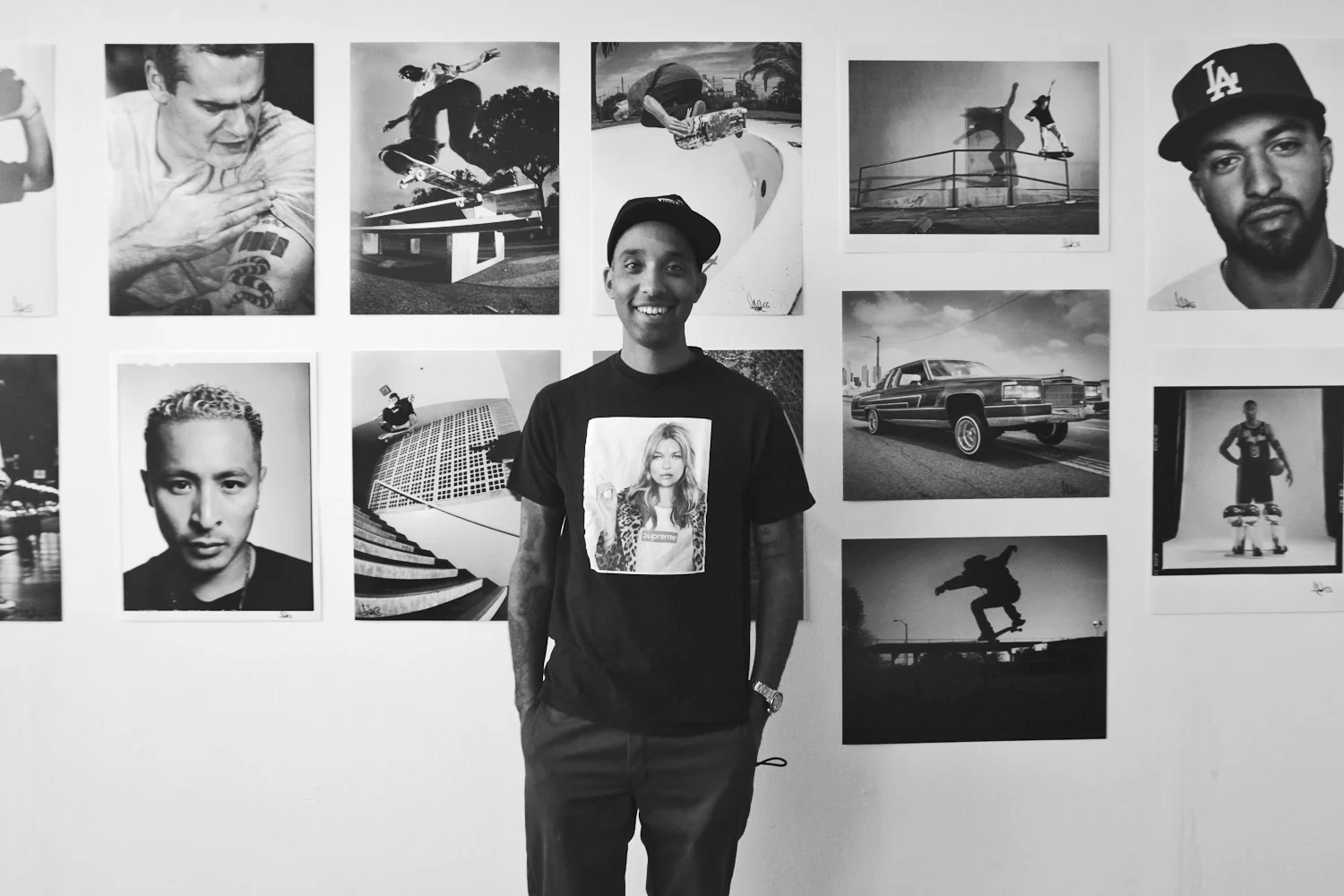
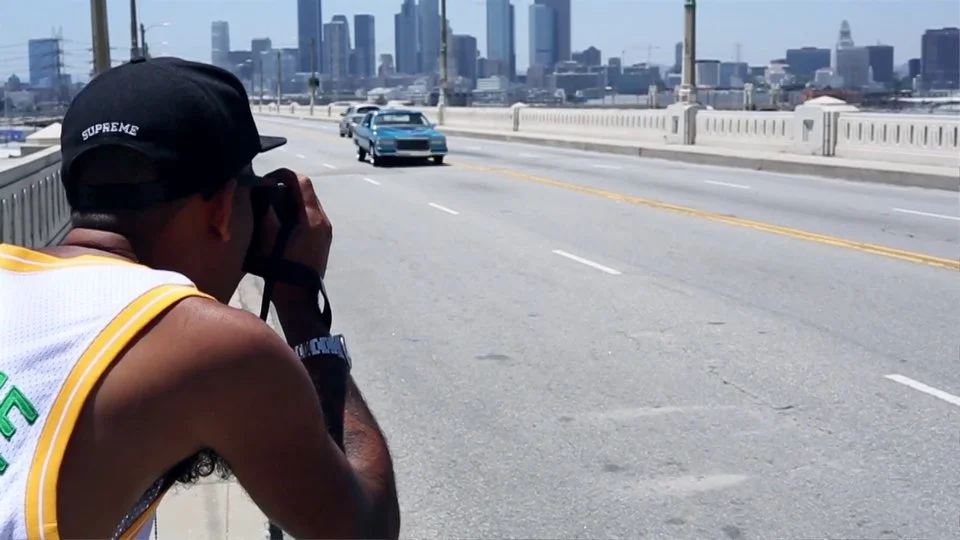
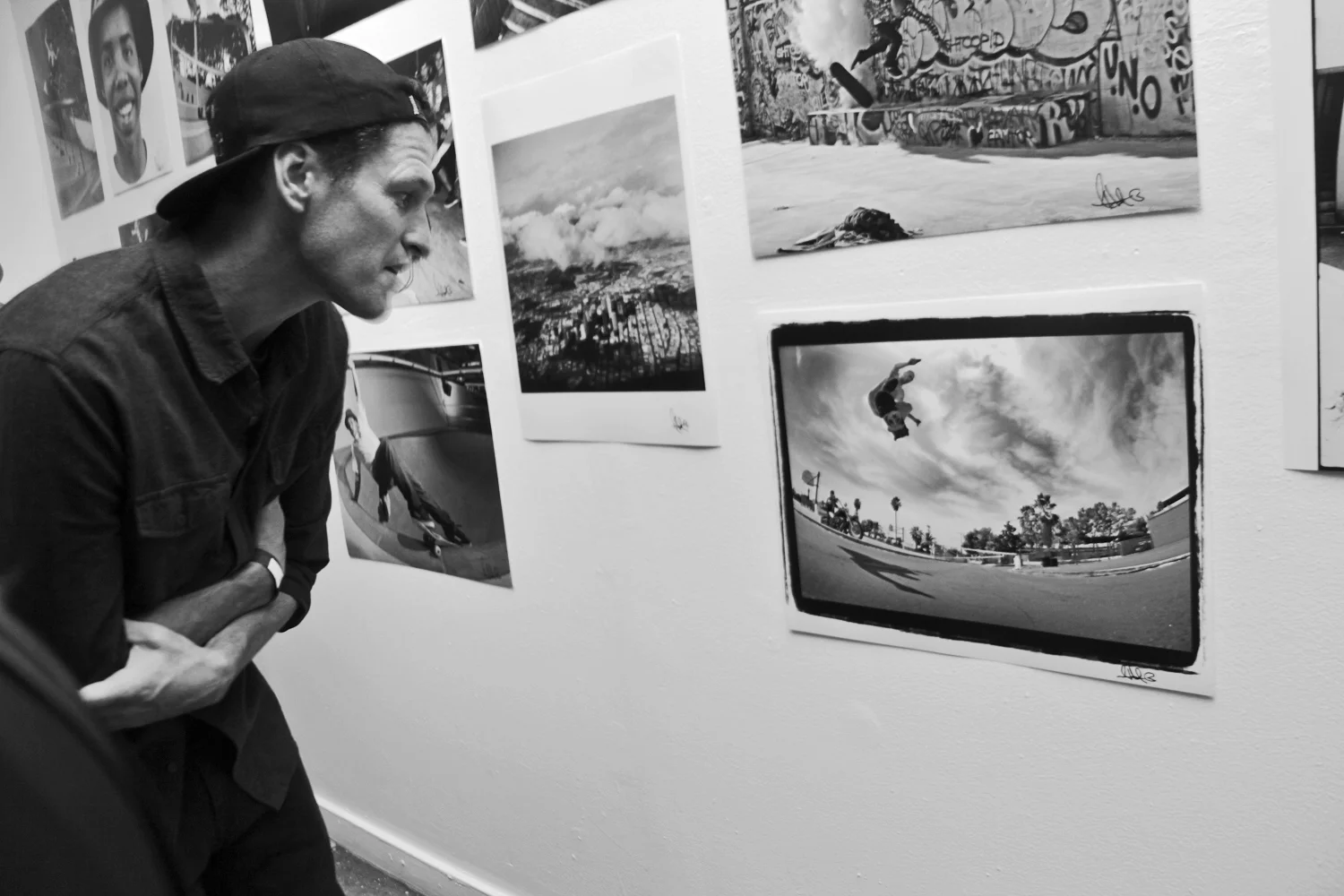
Atiba Jefferson already had the valuable asset: a deep archive of Los Angeles photography.
The opportunity was figuring out how that work could move from core skate into a broader consumer market without stripping away what made it valuable.
I built a product and distribution strategy across five retail tiers, anchored by an HVW8 Gallery launch and a campaign built around people from Atiba’s world.
The collection generated 20M+ impressions and 2,200+ units sold, moving from core skate shops into mainstream fashion while keeping the same creative story intact.
FILA x MOUNTAIN DEW


From beverage brand to sneaker shelf.
Mountain Dew wasn’t a footwear company. There was no reason to pretend otherwise.
I paired the brand with FILA around the M-Squad, then structured a three-way partnership with Foot Locker that gave the collaboration national retail distribution.
The shoe launched through Foot Locker and FILA’s own channels and earned coverage from Hypebeast.
The product worked because every partner did the part they were actually good at.
FILA x PEPSI

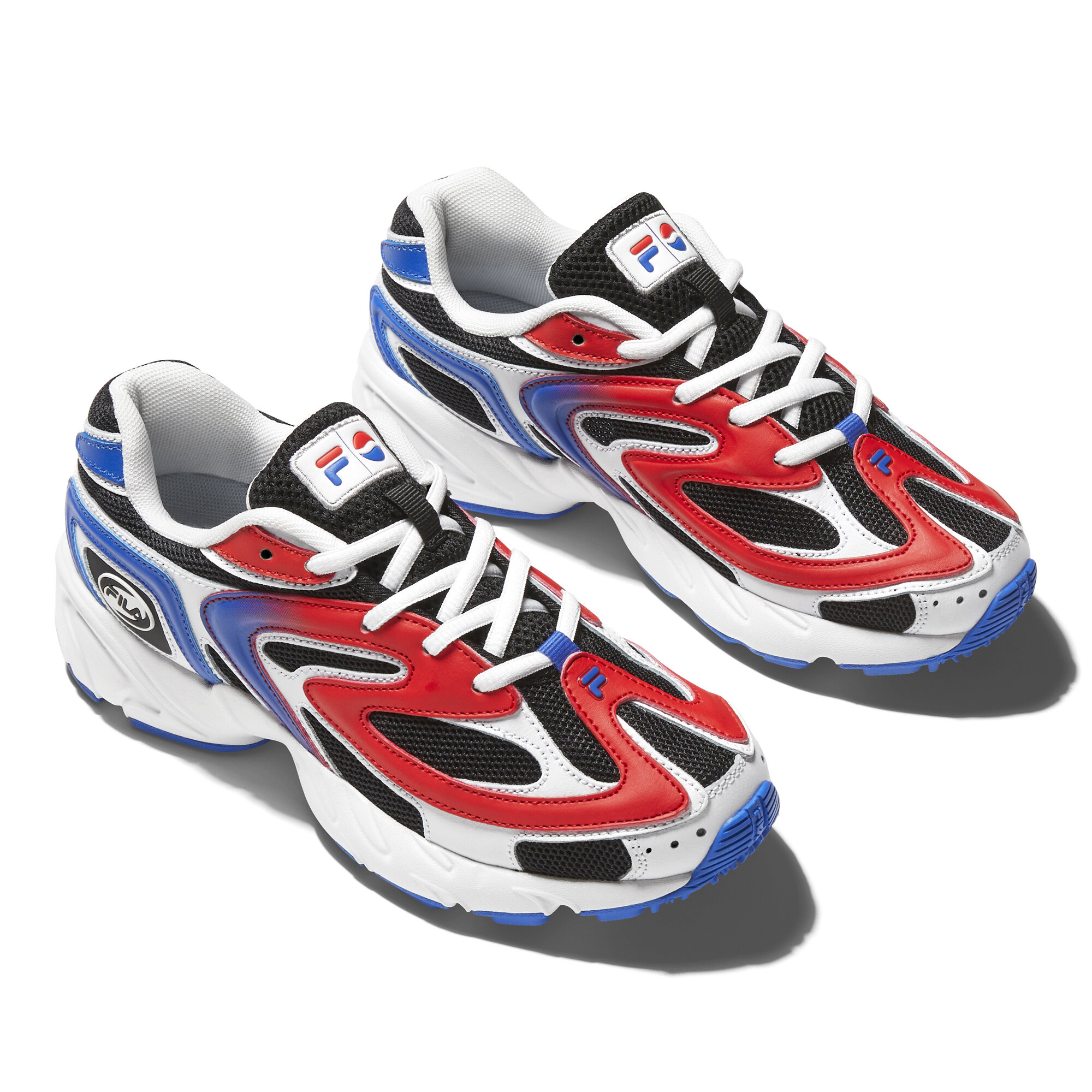


Take the model beyond Mountain Dew.
The final evolution moved the thinking from action sports into fashion more broadly.
For Pepsi, I partnered again with FILA, this time using the shared red, white and blue visual heritage of both brands to build a multi-category footwear and apparel collection.
The collaboration launched through DTLR’s East Coast network with flagship placement, influencer seeding and fashion and sneaker media support.
What began years earlier as a way to give Mountain Dew a meaningful role in culture had become a repeatable model for turning PepsiCo brands into physical products people could choose to wear.
THE THROUGH LINE
Different partners. Different products. Different communities.
The strategy was consistent.
Don’t start with the logo.
Start with what the brand has permission to do. Find the partner who makes the idea stronger. Build a product worth existing on its own. Let distribution become part of the creative strategy.
That’s what kept the relationship going for six years.
The goal was never to make PepsiCo look cultural. It was to build ideas where the brand had a reason to be there.
FULL CASE STUDY LINKS


